Georgian Wine Regions: Where to Taste the Best Wines in 2026
Georgian Wine Regions: Where to Taste the Best Wines in 2026
Created by: Vitistravel
June 3, 2026
Georgia is not just a wine country — it is the wine country. Archaeological evidence from Gadachrili Gora, south of Tbilisi, confirms that wine has been produced here continuously for approximately 8,000 years, making Georgia the birthplace of viticulture. While the rest of the world ferments wine in oak barrels or steel tanks, Georgians still use qvevri — large clay vessels buried underground — a method so unique that UNESCO recognized it as Intangible Cultural Heritage in 2013.
For wine lovers visiting Georgia, the question is not whether to include wine in your trip — it is where to start. This guide maps out Georgia's main wine regions, the grape varieties to look for, and the best ways to experience Georgian wine culture firsthand.
The Qvevri Method: What Makes Georgian Wine Unique
Before diving into regions, it is essential to understand what sets Georgian wine apart. The qvevri method involves fermenting grape juice — including the skins, seeds, and sometimes stems — in large egg-shaped clay vessels (qvevri) that are buried in the ground up to their necks. The earth provides natural temperature regulation during fermentation and aging.
This method produces wines unlike anything in the European or New World traditions. White grapes fermented with their skins become "amber wines" (or "orange wines" in international parlance) — deeply colored, tannic, and complex. Red wines from qvevri tend to be rich, earthy, and structured.
Not all Georgian wine is made in qvevri — many producers also use European methods with steel tanks and oak barrels. But it is the qvevri wines that are uniquely Georgian and the reason wine enthusiasts travel here from around the world.
Kakheti: Georgia's Wine Heartland
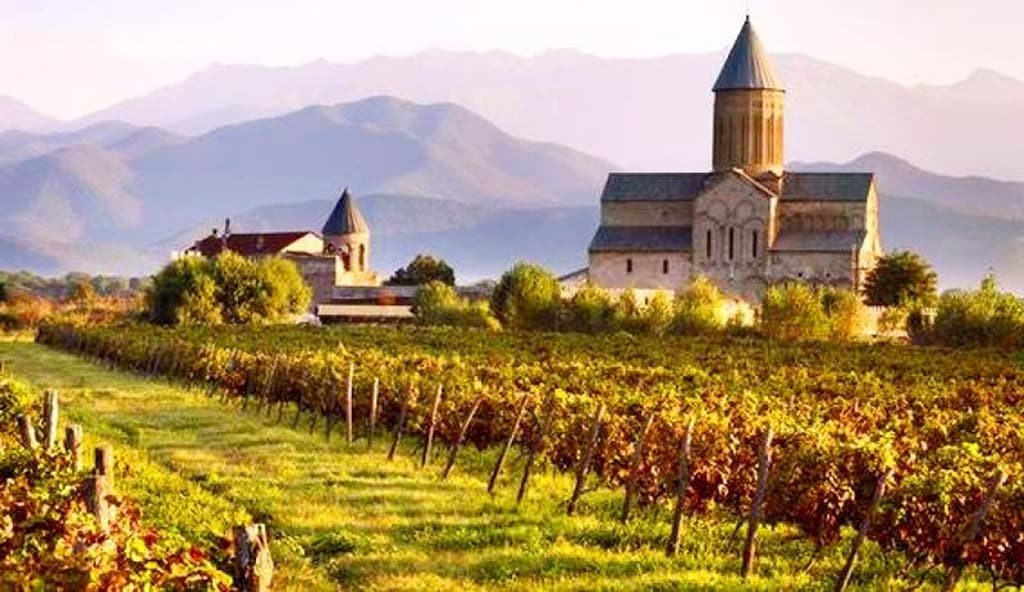
Kakheti produces approximately 70% of Georgia's wine and is the primary destination for wine tourism. Located in eastern Georgia, it is a broad valley flanked by the Greater Caucasus mountains to the north and the Gombori Range to the south.
Key Sub-Regions
Tsinandali: Famous for its white wines, particularly blends of Rkatsiteli and Mtsvane grapes. The Tsinandali Estate, once owned by Prince Alexander Chavchavadze, is now a museum and wine house where you can taste wines in a historic setting surrounded by a 19th-century English-style garden.
Mukuzani: Known for its powerful Saperavi red wines, which are aged in qvevri or oak for a minimum period. Mukuzani Saperavi is one of Georgia's most recognized wine appellations.
Kindzmarauli: Produces semi-sweet red wines from Saperavi grapes grown on the slopes above the Alazani River. Kindzmarauli is perhaps Georgia's most famous wine internationally.
Napareuli: Another excellent Saperavi-producing area with a long winemaking tradition.
Where to Taste in Kakheti
Sighnaghi: The "City of Love" is a perfect base for Kakheti wine exploration. Pheasant's Tears winery and restaurant in central Sighnaghi is a must-visit, offering natural wines and traditional cuisine at a high level.
Telavi: Kakheti's main town, with the historic Tsinandali Estate nearby and several wineries within easy reach.
Village cellars: The most authentic experience is visiting family-run cellars in villages like Velistsikhe, Napareuli, and Kvareli. Here, winemakers open their homes, show you their qvevri, and pour wines directly from the vessel. These visits are typically included in guided wine tours.
Kakheti's Key Grape Varieties
Saperavi (red): The king of Georgian reds — deep, tannic, with flavors of dark fruit, earth, and spice. It is one of the few grapes in the world with red-colored flesh (most red grapes have white flesh).
Rkatsiteli (white): Georgia's most widely planted grape, producing everything from crisp, light wines (European method) to rich, amber wines (qvevri method).
Mtsvane (white): Often blended with Rkatsiteli, Mtsvane adds floral aromatics and elegance. Increasingly bottled as a single variety.
Kisi (white): A rediscovered ancient variety producing aromatic, complex amber wines. One of Georgia's rising stars.
Kartli: The Region Around Tbilisi
Kartli surrounds Tbilisi and includes some of Georgia's oldest viticultural sites. The climate is drier and more continental than Kakheti, producing wines with higher acidity and mineral character.
Key Varieties
Chinuri: A white grape unique to Kartli, making sparkling wines (traditional method, fermented in qvevri) and still wines. Chinuri pétillant naturel ("pet-nat") has become fashionable in the natural wine world.
Goruli Mtsvane: Related to Kakheti's Mtsvane but adapted to Kartli's conditions. Produces aromatic, fresh wines.
Where to Taste
Several small producers in the Mukhrani area offer tastings. Château Mukhrani, set in a restored 19th-century estate, combines French winemaking expertise with Georgian grape varieties — a good option for visitors who prefer a polished tasting-room experience.
Imereti: Western Georgia's Wine Tradition
Imereti, centered around the city of Kutaisi, has a distinct winemaking style. While Kakheti ferments with full skin contact (skins, seeds, stems), Imeretian tradition uses partial skin contact — shorter maceration and fewer or no stems. The result is lighter, more immediately accessible wines.
Key Varieties
Tsolikouri: The signature white grape of Imereti — fruity, floral, and pleasant for everyday drinking.
Tsitska: Often blended with Tsolikouri for sparkling wines. Produces crisp, citrusy whites.
Otskhanuri Sapere: An indigenous red grape with bright acidity and berry flavors. Increasingly popular among natural wine producers.
Racha-Lechkhumi: Semi-Sweet Wine Country
The mountain region of Racha-Lechkhumi, north of Imereti, is famous for Khvanchkara — Georgia's most celebrated semi-sweet red wine. Made from Alexandrouli and Mujuretuli grapes, Khvanchkara ferments naturally in qvevri and retains residual sweetness without added sugar. The production area is tiny, making authentic Khvanchkara relatively rare and expensive.
How to Experience Georgian Wine: Practical Guide
Wine Tours from Tbilisi
The most popular option for visitors. A full-day wine tour to Kakheti typically includes transport from Tbilisi, visits to 2–3 wineries or family cellars, multiple tastings, and lunch. Group tours cost 80–130 GEL per person; private tours from 250 GEL for 1–3 people.
Wine Bars in Tbilisi
If your schedule does not allow a full-day wine trip, Tbilisi's wine bars offer an excellent introduction to Georgian wines. See our Tbilisi guide for specific recommendations.
The Rtveli (Grape Harvest)
If you visit in September or October, you may be able to participate in the rtveli — the annual grape harvest. Many family wineries welcome visitors to help pick grapes, crush them, and load the qvevri. It is a festive, communal experience and the deepest way to connect with Georgian wine culture.
Wine Shopping
To bring Georgian wine home, visit specialized wine shops in Tbilisi rather than tourist shops. Staff can advise on varieties and producers, and prices are typically lower than at wineries. Expect to pay 15–40 GEL for a good bottle of qvevri wine and 8–20 GEL for quality European-method wines.
Book Your Wine Tour
Vitis Travel offers daily wine tours to Kakheti from Tbilisi, with both group and private options. Our tours include carefully selected wineries, traditional meals, and guides who are passionate about Georgian wine culture. Whether you are a wine expert or a curious beginner, we design the experience to match your level.