Is Georgia Safe in 2026? (Honest Guide for Travelers)
Is Georgia Safe in 2026? (Honest Guide for Travelers)
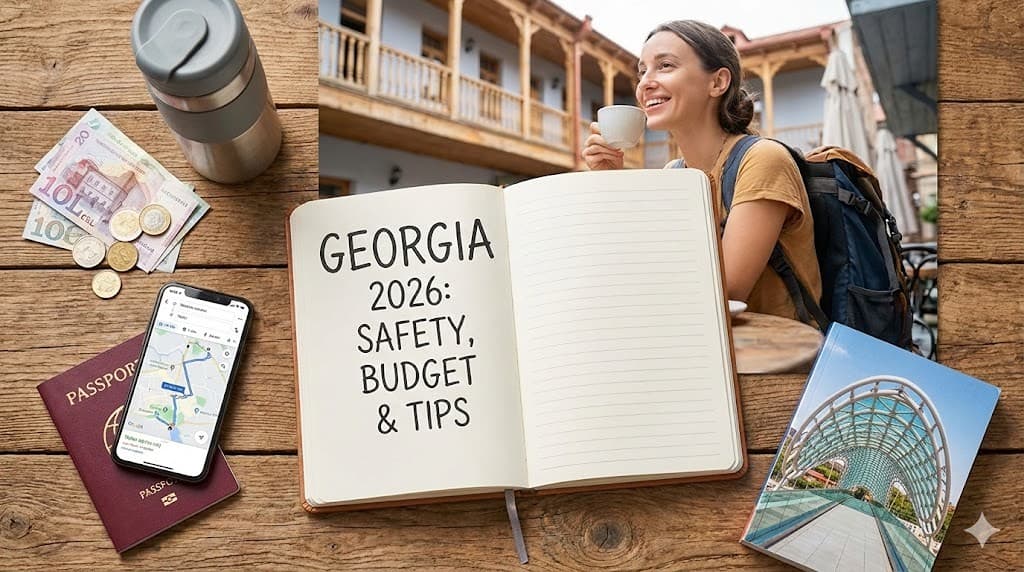
Created by: Vitistravel
December 7, 2025
If you are planning a trip to the Caucasus, you might be asking yourself: "Is Georgia safe?"
It is a fair question. For many travelers from the US or Western Europe, Georgia is still a relatively undiscovered destination on the edge of the map. You might have heard about its incredible wine or stunning mountains, but you might not know what to expect when you land in Tbilisi.
Here is the short answer: Yes, Georgia is one of the safest countries in Europe for tourists. In fact, it consistently ranks in the top tier of international safety indexes, often higher than popular destinations like France or Italy. Violent crime against tourists is exceptionally rare, and the police are trusted and helpful.
However, like any country, it has its own unique rules, quirks, and challenges—from chaotic traffic to specific dress codes.
At Vitis Travel, our priority is not just showing you the sights, but ensuring your peace of mind. Based on the latest data for 2026, here is your extensive, honest guide to staying safe, budgeting smart, and traveling smoothly in Georgia.
1. Safety & Crime: What You Need to Know
When you walk through the streets of Tbilisi, even at night, you will notice something refreshing: people feel safe.
Low Crime Rate: Street crime, pickpocketing, and muggings are very uncommon compared to major European capitals. You can walk with your camera or phone out without the constant paranoia you might feel in Barcelona or Paris.
Police Presence: The Georgian patrol police are visible, drive modern cars with lights always on (to show presence), and are generally non-corrupt and helpful to tourists.
Solo Female Travel: Georgia is widely considered very safe for women traveling alone. Catcalling is rare, and while staring might happen (Georgians are curious!), it is almost never aggressive.
Vitis Tip: While the streets are safe, always exercise common sense. Don't leave valuables unattended in bars, and be cautious of "tourist traps" in nightlife districts that might overcharge for drinks.
2. The Real Challenge: Road Safety & Driving
If there is one area where visitors need to be vigilant, it is the roads. Georgian driving culture is... expressive.
Chaotic Traffic: Drivers can be aggressive, lane markings are often ignored, and overtaking on blind curves is unfortunately common.
Animals on the Road: Once you leave the city, especially on the way to Kazbegi or in remote regions, cows, pigs, and sheep frequently block the highway.
Mountain Conditions: Roads to places like Tusheti or Ushguli are dangerous and require 4x4 expertise.
Our Recommendation:
Do not stress yourself by driving. The safest way to explore is to hire a professional.
At Vitis Travel, our Car Rental with Driver service and guided tours use experienced professionals who know the roads, the weather, and how to negotiate with the local cows.
3. 2026 Budget Guide: How Much Does it Cost?
One of the biggest appeals of Georgia is its affordability. While prices have risen slightly as popularity grows, it remains a high-value destination in 2026. The currency is the Georgian Lari (GEL).
Accommodation:
Budget Guesthouses: $20 - $40 per night.
Mid-Range Boutique Hotels: $60 - $120 per night (Check out the lovely Timer Boutique Hotel).
Luxury International Brands: $180+ per night.
Food & Drink:
A hearty meal (Khinkali, Salad, Drink): $10 - $15.
A bottle of good wine in a restaurant: $15 - $30.
Coffee: $2 - $4.
Transport:
Metro/Bus in Tbilisi: ~$0.40 (1 GEL).
Taxi (Bolt/Yandex): ~$3 - $6 for a ride across the city center.
Pro Tip: Carry cash (Lari) when visiting mountain regions or small villages. Credit cards are accepted everywhere in Tbilisi and Batumi, but a grandmother selling homemade wine in Kakheti won't have a card machine!
4. Visa Policy: The Famous "1-Year Stamp"
Georgia has one of the most generous visa policies in the world.
Visa-Free Entry: Citizens of over 90 countries—including the USA, all EU member states, UK, UAE, Saudi Arabia, Australia, and Canada—can enter Georgia without a visa.
Duration: You can stay for up to 1 full year (365 days) on a simple entry stamp.
E-Visa: If you are not from a visa-exempt country, the E-Visa portal is straightforward and fast.
Always check the official Ministry of Foreign Affairs website for the latest 2026 updates before flying.
5. Cultural Etiquette: Do’s and Don’ts
Georgians are incredibly hospitable. There is a famous saying here: "A guest is a gift from God." However, respecting local traditions will make your trip much smoother.
Dress Code for Churches: Georgia is an Orthodox Christian country. When visiting religious sites like Jvari Monastery or Svetitskhoveli:
Women: Must cover their heads with a scarf and wear a skirt (or wrap-around cloth often provided at the entrance). Shoulders must be covered.
Men: Cannot wear shorts or hats inside the church. Long trousers are required.
Tipping: Tipping is appreciated but not mandatory. Many restaurants add a 10-15% "service charge" to the bill. You can leave an extra 5-10% if the service was exceptional.
Politics: Avoid discussing sensitive political topics regarding occupied territories unless you know the person well. It is an emotional subject for locals.
FAQ: Quick Answers to Your Safety Questions
We have compiled the most frequent questions our clients ask before booking their Georgia Tour Packages.
Is tap water safe to drink in Georgia?
In Tbilisi and most mountain regions, tap water is generally safe and delicious.
Tbilisi water comes from mountain reservoirs. However, if you have a sensitive stomach, sticking to bottled mineral water (try the famous Borjomi!) is a safe bet. In remote villages, always ask your guide first.
What is the emergency number in Georgia?
The universal emergency number is 112.
This works for police, fire, and ambulance services. Operators typically speak English.
Are stray dogs in Georgia dangerous?
Generally, no. You will see many stray dogs, especially in Tbilisi.
Most of them have a plastic tag on their ear. This tag means the dog has been vaccinated, sterilized, and is monitored by the city. They are usually friendly and used to tourists, but it is best not to pet them if you are unsure.
Do people speak English?
Yes, especially the younger generation.
In Tbilisi, Batumi, and tourist hubs, English is widely spoken in hotels, restaurants, and by tour guides. In rural areas or with the older generation, Russian is more common. Learning a word like "Gamarjoba" (Hello) goes a long way!
Is it safe to hike alone in the mountains?
We recommend hiking with a guide or a partner.
While crime is not the issue, the terrain can be. Weather in the Caucasus changes rapidly, and trails in regions like Svaneti or Kazbegi can be challenging. A professional guide ensures you don't get lost and handles logistics.
Travel with Confidence
Georgia is a warm, welcoming, and safe destination waiting to be explored. The only "danger" is that you might fall in love with the country and never want to leave—it happens to many of our guests!
At Vitis Travel, we are here to handle the logistics, the driving, and the planning, so you can focus on the wine, the views, and the culture.
🛡️ Book a Safe & Secure Private Tour
🚗 Rent a Car with a Professional Driver
💬 Contact Us for 2026 Travel Advice